

The Nature of Luck in Gambling
Luck is often perceived as a mysterious force that governs the outcomes of games of chance such as those found in casinos. For many players, the notion of luck is integral to their overall gambling experience. While games like slots, roulette, and blackjack predominantly rely on chance, the idea that luck can be a deciding factor remains a subject of fascination and debate. Players may believe that if they engage with the best strategies, they could enjoy opportunities like $20 neosurf casino australia real money that further enhance their fortune, which can create an exhilarating, hope-filled environment in the casino.
The psychological aspect of luck in gambling plays a significant role. Players often engage in rituals, such as specific seating arrangements or lucky charms, to invoke their sense of good fortune. This behavior can amplify the thrill of the game and influence one’s belief in their ability to succeed. These rituals provide players with a sense of control, making them feel as if they can somehow tip the scales of destiny in their favor. Therefore, the belief in luck can accumulate emotional energy that enhances the casino experience.
Moreover, luck can manifest through serendipitous events, further enhancing a player’s experience. Unexpected wins or fortunate occurrences, like hitting a jackpot during a casual session, can significantly elevate the perception of luck. Such moments become memorable milestones in a player’s gambling journey, leading to increased excitement and engagement. While luck is unpredictable and cannot be relied upon, its existence creates an electric atmosphere that keeps players returning to the gaming floor, constantly drawn by the allure of potential fortune.
The Role of Skill and Strategy
While luck undeniably plays a significant role in gambling, it is essential to consider the impact of skill and strategy. Certain games, like poker and blackjack, involve a considerable degree of skill, where players can influence the outcome through their decisions and tactics. Players who invest time in learning strategies can often navigate the nuances of these games to mitigate risks and maximize potential winnings. This strategic element contrasts starkly with the pure luck of games like slots, where outcomes are entirely random. Understanding the odds and employing effective strategies can significantly enhance a player’s experience.
The balance between luck and skill can vary wildly between different casino games. For instance, a seasoned poker player might rely on their understanding of probabilities and psychology to outsmart opponents, while a novice slot player might solely depend on luck to win. Understanding these dynamics often leads to more informed decisions about which games to engage in. Thus, the experience in the casino is not just about luck; it’s also about skill, knowledge, and when to take calculated risks that can lead to more favorable outcomes.
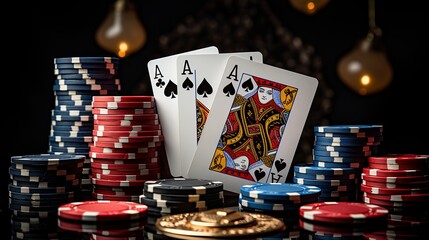
Ultimately, the integration of skill and strategy can create a richer, more rewarding casino experience. Players who approach the games with a strategic mindset can find themselves enjoying the process, even if luck does not always favor them. Engaging in games that demand skill not only enhances the overall experience but also fosters a deeper appreciation for the artistry and intelligence involved in gambling. This blend of strategy and chance makes for a compelling narrative that drives many players to return for more.
The Influence of Environment and Setting
The setting and environment of a casino can significantly influence a player’s perception of luck. The vibrant sights and sounds, from flashing lights to ringing slot machines, create an immersive atmosphere that can heighten emotions and the belief in luck. Casinos are designed to captivate and enthrall, surrounding players with stimuli that evoke excitement and anticipation. This carefully curated environment reinforces the notion that luck could be just around the corner, contributing to an electrifying ambiance that enhances the overall experience.
The social aspect of gambling adds another layer to the casino experience. Interacting with fellow players can lead to shared beliefs in luck, camaraderie, and a collective atmosphere that celebrates divine intervention in the face of randomness. When players hear others exclaiming about their good fortune or sharing tales of lucky streaks, it can create a sense of optimism that instills hope. This communal aspect of believing in luck can enhance the overall thrill, making the experience more enjoyable, as players feed off each other’s energy and enthusiasm.
Furthermore, the ambiance of the casino can influence players’ mental states, potentially affecting their perception of luck. A vibrant, energetic atmosphere can elevate moods and encourage risk-taking, whereas a more subdued environment might lead to hesitance. Thus, a casino’s design and vibe not only attract players but also mold their experiences and beliefs, contributing to the enigmatic relationship between luck, environment, and gambling outcomes. The holistic experience of a casino is not just about the games played but also about how the surroundings impact players’ expectations and feelings about luck.
The Psychological Impact of Winning and Losing
The psychological dimensions of winning and losing in a casino setting can profoundly affect a player’s belief in luck. Winning can create a euphoric state that reinforces the idea of luck being on one’s side. This feeling stimulates a rush of dopamine, the brain’s reward chemical, which can lead to a more optimistic outlook on future bets. For many, the thrill of winning can overshadow the realities of odds and probabilities, further embedding the belief that luck is a primary influencer in their casino experience. The emotional highs of winning can create a strong attachment to the idea of luck.
Conversely, losses can lead to a different psychological response. Players may begin to doubt their luck or feel that it has abandoned them, prompting superstitious behaviors or alterations in their strategies. This cycle of winning and losing can create a rollercoaster of emotions, deeply intertwining the player’s perception of luck with their experiences. Understanding these psychological impacts can lead to better decision-making and emotional resilience when gambling. Players who acknowledge their emotional responses can better navigate the ups and downs of betting.
Moreover, the concept of ‘chasing losses’ illustrates how belief in luck can be a double-edged sword. Many players may continue to gamble in hopes of recapturing prior wins, fueled by the belief that luck will eventually return. This behavior can result in a detrimental spiral that undermines rational decision-making. Recognizing the psychological effects of gambling is crucial for players to maintain a healthy relationship with luck and gaming, ensuring that they gamble for enjoyment rather than as a means to recover losses.
Exploring Options and Resources for Responsible Gaming
As the complexities of luck and skill intertwine within casino experiences, players must also consider the importance of responsible gaming practices. Understanding the role of luck can help individuals manage their expectations and approach gambling as a form of entertainment rather than a guaranteed source of income. Awareness of personal limits and the implementation of self-regulation strategies can foster a healthier relationship with luck and gaming. This awareness is crucial for maintaining a balanced perspective on gambling.
There are several resources available for players who wish to gain insights into responsible gaming. Many casinos provide educational materials to help players understand the odds of games, the importance of budgeting, and how to recognize signs of problem gambling. Engaging with these resources can empower players to make informed decisions, balancing their enjoyment of the casino with a commitment to responsible play. By educating themselves, players can cultivate a more sustainable approach to gambling.
Ultimately, creating a safe and enjoyable gambling experience involves acknowledging the dual nature of luck and skill. Players who embrace a balanced perspective are likely to have a more satisfying experience and can better navigate the inherent unpredictability of gambling. By valuing responsible gaming, individuals can work towards enjoying the thrill of the casino while remaining in control of their choices. This approach ensures that the excitement of gambling remains a fun and entertaining pursuit rather than a potential source of stress or financial hardship.