

How gambling shapes emotional highs and lows in our lives
The Psychological Impact of Gambling
Gambling often evokes a wide range of emotions, primarily characterized by excitement and anxiety. The thrill of potentially winning can lead to an adrenaline rush, similar to that experienced in extreme sports or other high-risk activities. This rush is often accompanied by a temporary state of euphoria, which can make gambling feel addictive. However, this high can be fleeting, and within this context, some players may prefer reputable casinos not on gamstop for a safer experience. The emotional lows that follow losses can be profound.

The psychological effects of gambling are not limited to the individual. It can also affect relationships and social dynamics. When a person experiences the highs of winning, they may feel a heightened sense of confidence and social engagement. Conversely, the lows associated with losses can result in withdrawal and isolation, creating a tumultuous emotional cycle that impacts not just the gambler but also their loved ones.
The Role of Anticipation
Anticipation plays a crucial role in shaping the emotional experience of gambling. The period before a game or a draw is often filled with hope and excitement, which can create a powerful emotional high. This anticipation can sometimes be more exhilarating than the actual event itself. The thrill of waiting for the outcome can heighten emotional responses and create a sense of connection to the game.
This emotional build-up can lead to what is known as «the gambler’s fallacy,» where individuals may believe that a win is due after a series of losses. This belief can create a cycle of hope and disappointment, further intensifying emotional highs and lows. As individuals invest more in their anticipation, they may find it increasingly difficult to detach from the emotional rollercoaster that gambling can create.
The Cycle of Winning and Losing
The cycle of winning and losing is an essential aspect of gambling that influences emotions. Winning can lead to feelings of joy, excitement, and even invincibility. These highs can encourage further gambling, as individuals chase the next win. However, the inevitable lows that come with losses can lead to despair and frustration, creating a complex emotional landscape that can be hard to navigate.
This cycle often results in a pattern of behavior where individuals may gamble not only to win but also to recapture lost emotions. This quest for emotional balance can lead to problematic gambling behavior, where the individual continues to gamble despite negative consequences. Understanding this cycle is critical for recognizing the emotional stakes involved in gambling.
The Impact on Mental Health
The emotional highs and lows associated with gambling can significantly affect mental health. The joy of a win can mask deeper issues such as anxiety and depression, which may surface when the losses accumulate. Research suggests that individuals who gamble excessively are at a higher risk for mental health disorders, as the emotional toll can lead to issues like stress, isolation, and hopelessness.
Furthermore, the stigma surrounding gambling can exacerbate these mental health issues. Many individuals may feel ashamed of their gambling habits, leading to further emotional distress. This cycle of shame and secrecy can hinder individuals from seeking help, perpetuating a harmful cycle that affects both their mental health and overall well-being.
A Secure Space for Gambling Discussions
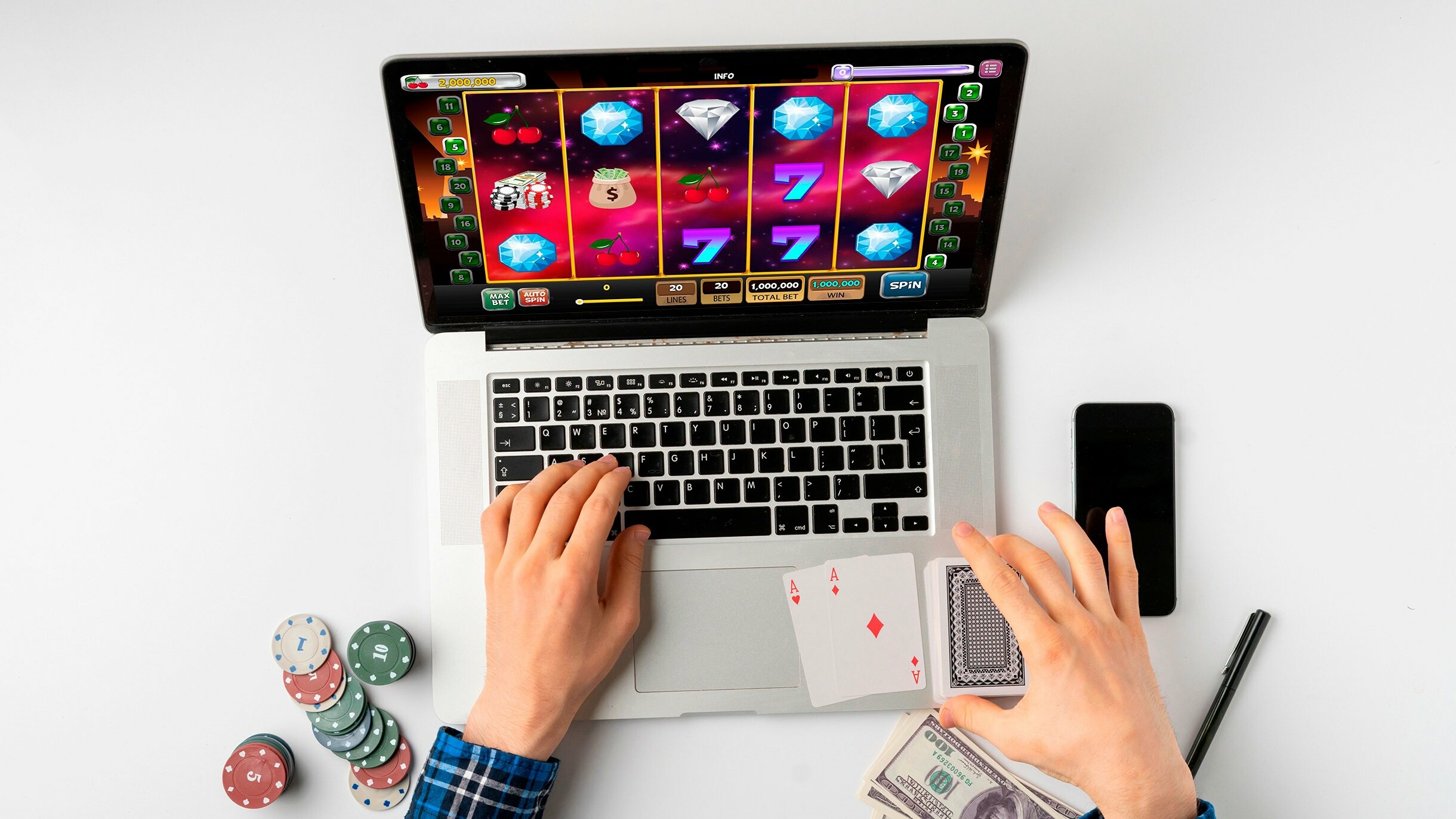
Online platforms focused on gambling offer a secure environment where users can discuss their experiences and seek support. These websites prioritize user safety and performance, allowing individuals to engage in conversations about the emotional impacts of gambling without fear of stigma. By creating a supportive community, these platforms help normalize discussions around the emotional aspects of gambling.
Ultimately, providing guidance and resources is crucial for individuals navigating the highs and lows of gambling. The focus on mental health awareness and support can empower users to make informed decisions about their gambling activities, fostering a healthier relationship with this complex pastime.
Deja una respuesta